Real Review and Virtual Office Policies for Shanghai Foreign-Invested Company Registered Addresses
Greetings, investment professionals. I am Teacher Liu from Jiaxi Tax & Financial Consulting. Over my 12 years serving foreign-invested enterprises and 14 years in registration and processing, few topics have generated as much confusion and operational friction as the evolving policies surrounding company registered addresses in Shanghai. For any foreign investor, the registered address is far more than a line on a business license; it is the legal domicile, the nexus for tax jurisdiction, and a critical compliance checkpoint. The Shanghai authorities, in a bid to maintain market order, combat fraud, and ensure the substance of business operations, have rigorously enforced "real review" (实地核查) policies while simultaneously navigating the modern reality of flexible work arrangements. This creates a complex landscape where understanding the nuanced interplay between physical presence requirements and the legitimate use of virtual office services is not just advisable—it's imperative for risk mitigation and smooth operations. This article will dissect this critical issue, drawing from firsthand experience to guide your strategic decisions.
Core Concept of Real Review
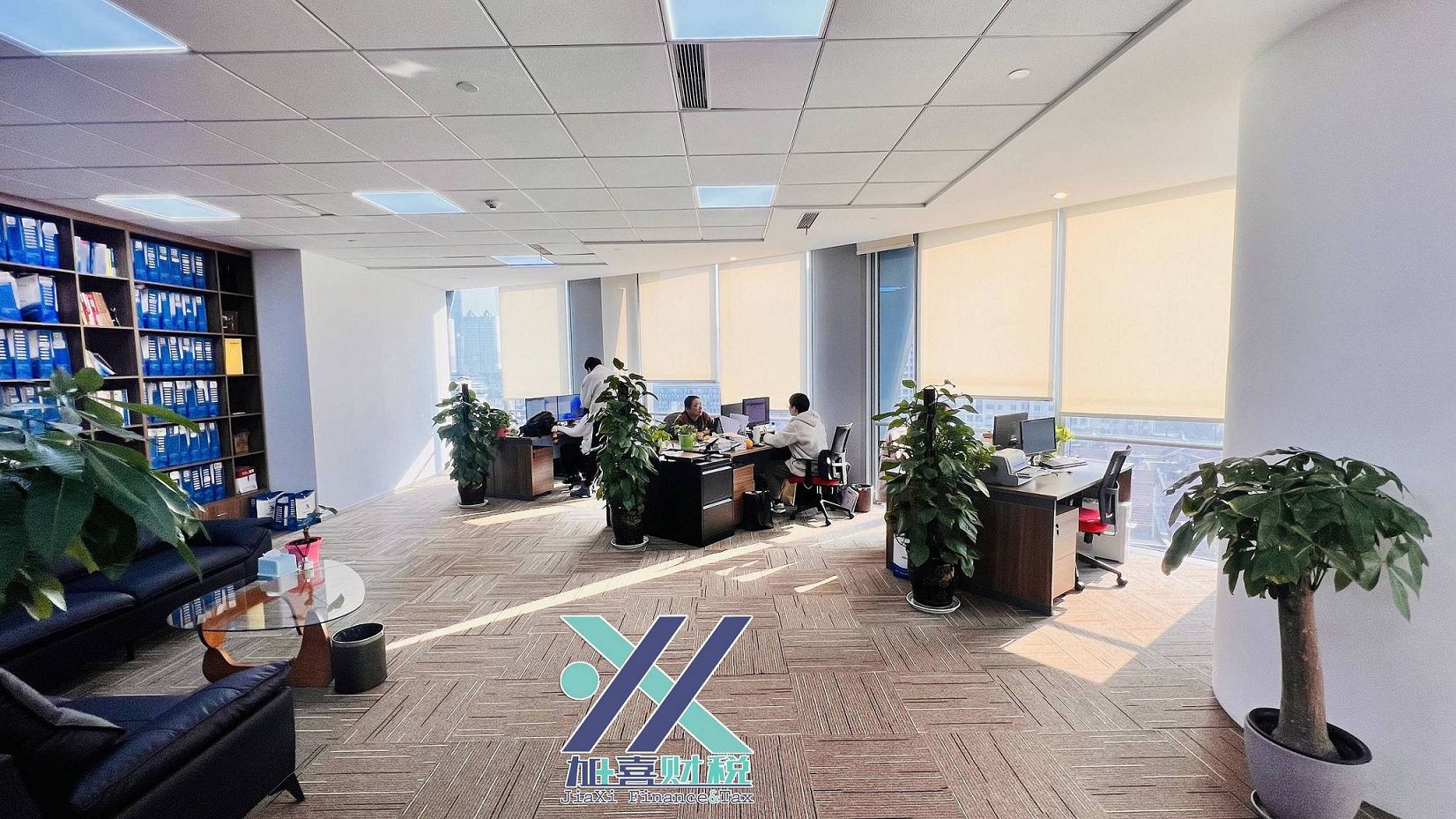
The term "real review" refers to the administrative procedure where market regulation officials physically visit the registered address listed by a company to verify its authenticity and operational presence. This is not a mere formality. The officials will check for tangible evidence that the company genuinely conducts business from that location. This includes looking for company signage, a dedicated workspace (not just a shared desk in a co-working space without proper branding), operational facilities, and staff present during business hours. The underlying principle is to combat the proliferation of "shell companies" that register at non-existent or mass-registration addresses, which can be used for illicit activities like invoice fraud, tax evasion, or money laundering. From my experience, the frequency and thoroughness of these reviews have increased significantly since around 2018. I recall a case with a European fintech startup that had secured a prestigious virtual office address in Lujiazui. They passed the initial registration, but during a random real review six months later, officials found only the virtual office provider's receptionist and no trace of the company's name or dedicated resources. The result was an immediate "address异常" (address abnormality) status, freezing their ability to issue invoices, renew licenses, and even impacting their corporate bank account. Resolving this took months of painful explanation and relocation.
The process is often triggered by various events: random spot checks, annual reporting periods, or specific complaints. The consequences of failing a real review are severe. Beyond the operational freeze mentioned, it leads to public listing on the "Abnormal Operations List," severely damaging corporate credibility. For foreign investors, this can trigger clauses in investment agreements and erode partner trust. Therefore, treating the registered address as a substantive legal commitment, rather than an administrative checkbox, is the first and most crucial mindset shift. It's about demonstrating "substance over form," a principle that Chinese regulators are increasingly emphasizing across various compliance domains.
Virtual Office: Definition and Limits
Given the rise of remote work and lean startups, the concept of a "virtual office" is understandably attractive. In the Shanghai context, a virtual office service typically provides a prestigious business address for registration, a mail-handling service, and sometimes access to meeting rooms or a receptionist. However, and this is a critical distinction, most basic virtual office packages are not sufficient to pass a real review on their own. The regulatory stance views these with skepticism if they are not paired with some form of physical, dedicated presence. The authorities distinguish between a "registered address" and an "actual business premises." A virtual office can sometimes suffice for the former during the initial filing, but it will almost certainly fail the latter during a real review if it's just a "brass plate" arrangement.
The market has evolved in response. Legitimate service providers now offer "physical/virtual hybrid" solutions. These might involve providing a dedicated, lockable office within a serviced office building, even if it's small (e.g., 5-10 sqm), with your company's name on the door. This creates a tangible footprint that can satisfy inspectors. The cost is higher than a pure virtual mailbox but is a legitimate compliance cost. I often advise clients: "Think of it as renting a compliance asset, not just an address." Another client, an Australian e-commerce firm, learned this the hard way. They used a budget virtual office and, upon review, were flagged. We helped them transition to a compliant hybrid model in a certified business park. The process was smoother because the park management had established protocols with local regulators, showcasing how the ecosystem itself is adapting.
Key Factors in Review
Understanding what inspectors look for demystifies the process. Their checklist, though not publicly itemized, is consistent based on numerous interactions. First and foremost is "signage." Is your company's registered name clearly displayed at the address entrance or within a building directory? A plaque or a nameplate is a non-negotiable, low-cost investment. Secondly, they assess "space occupancy." Is there a defined area, like a desk or room, that appears to be used by your company? A completely empty room or a shared hot-desk area with no personal effects raises red flags. Thirdly, "personnel presence" is key. Having an employee or an authorized representative (who can knowledgeably discuss the company's business) present during working hours is powerful evidence. This is where many WFOEs with expat managers who travel frequently get caught out.
Fourth, "business traces" such as operational documents (in a filing cabinet), company-branded materials, or active workstations with computers can be supportive evidence. Finally, the "lease relationship" is scrutinized. Officials will ask to see the property ownership certificate and the official lease contract filed for recordation. The contract must align perfectly with the registered address details. Any discrepancy, such as a different room number or an expired lease, is a direct violation. The administrative grind here is real—ensuring every document in the chain, from the landlord's certificate to your company's stamp, is perfectly synchronized is a tedious but vital task. A single missing seal can delay everything.
Risks of Non-Compliant Addresses
The risks extend far beyond an administrative slap on the wrist. The immediate legal risk is being classified as having an "abnormal business operation." This administrative penalty restricts the company's ability to conduct routine business, such as changing registered particulars, issuing "中国·加喜财税“ (official invoices), or participating in government tenders. It becomes a public record, accessible to partners, banks, and potential investors during due diligence, tarnishing the company's reputation. Financially, it can lead to fines and, in persistent cases, revocation of the business license—the corporate death sentence.
From a banking perspective, Chinese banks are increasingly vigilant about "Know Your Customer" (KYC) and "Anti-Money Laundering" (AML) checks. An abnormal address status often triggers a freeze or heightened monitoring of the company's bank accounts, crippling cash flow. Furthermore, during capital injection or profit repatriation, the State Administration of Foreign Exchange (SAFE) may scrutinize companies with compliance issues, leading to delays or rejections. In one complex case, a tech JV's planned Series B funding was jeopardized because the lead investor's legal team discovered a historical address abnormality during deep due diligence, even though it had been "resolved." It took weeks of additional legal opinions and explanations to salvage the deal, a costly distraction.
Strategies for Compliance
Proactive strategy is your best defense. For early-stage companies or representative offices with small teams, the most straightforward strategy is to lease a small, actual office space in a commercial building or a certified business park/incubator. Many districts offer subsidized spaces to attract foreign investment in target industries. Secondly, if operational needs are minimal, opt for a "hybrid" serviced office solution that provides a dedicated, lockable unit with your branding. Ensure the provider's contract is explicitly for "office leasing" and can be used for business registration, not just a "service agreement."
Thirdly, maintain impeccable documentation. Keep the lease contract, property certificate copy, and all registration filings in perfect order and readily accessible. Fourth, establish a protocol for real reviews. Designate a local employee or a trusted agency (like ours) as a contact point, ensure someone can be present at short notice, and train them on how to courteously and accurately interact with officials. Finally, consider the strategic value of your address. Choosing a district aligned with your industry (e.g., Zhangjiang for biotech, Lin-gang for trade) can sometimes lead to a more understanding regulatory environment and even policy benefits, as officials there are familiar with specific business models.

Future Regulatory Trends
Looking ahead, I anticipate policy evolution rather than relaxation. The trend is towards greater integration of big data and technology in supervision. The "Internet+ Regulation" model means authorities are cross-referencing data from tax filings, social insurance contributions, bank accounts, and even utility bills at the registered address. Inconsistencies will be flagged algorithmically, making real reviews more targeted and efficient. We may see a tiered system emerge, where companies in high-risk sectors (e.g., finance, consulting) face stricter scrutiny than those in manufacturing with physical assets.
Furthermore, the concept of a "cluster registration" address, where multiple companies share one address under strict supervision of a hosting platform, might be formalized and expanded under pilot programs, especially in innovation zones like Lin-gang. However, the core principle of "substance" will remain. My forward-looking thought is that the future will reward companies that view their Shanghai registered address not as a cost center to minimize, but as a strategic compliance and credibility asset to optimize. The administrative hassle is, in essence, a filter for serious, long-term players.
Conclusion and Suggestions
In summary, navigating Shanghai's real review and virtual office policies requires a clear-eyed understanding that the registered address is a cornerstone of legal compliance. The era of using a purely virtual, non-substantive address for a foreign-invested entity in Shanghai is effectively over. Success hinges on demonstrating real presence, maintaining flawless documentation, and choosing an address solution that balances operational needs with regulatory expectations. For investment professionals advising or managing portfolio companies, due diligence on this aspect is as critical as financial or legal review.
My suggestion is threefold: First, budget appropriately for a compliant address solution from day one—view it as essential infrastructure. Second, engage local experts who understand not just the letter of the law but the practical implementation and "unwritten rules" of the district you choose. Third, foster a culture of compliance within the invested company; ensure the local team understands the importance of this issue. As Shanghai continues to refine its business environment, those who align with its regulatory direction will find smoother sailing and more sustainable growth.
Jiaxi Tax & Financial Consulting's Insights: Over years of hands-on practice, our firm has developed a core insight regarding Shanghai's address policies: compliance is not a static state but a dynamic process of alignment. The policy is not designed to stifle legitimate business innovation, including flexible work models, but to create a transparent and trustworthy commercial ecosystem. Our approach is to help clients build an "address compliance framework." This starts with a diagnostic of their actual business model and growth stage, followed by recommending a tailored solution—be it a small physical lease, a certified hybrid office, or guidance for companies in regulated incubators. We then implement a monitoring system, reminding clients of lease renewals, document updates, and preparing them for potential reviews. We've seen that the most common pitfall is a disconnect between the head office's strategic vision and the on-ground administrative reality in Shanghai. Bridging that gap—translating high-level strategy into compliant, daily operations—is where true value is added. It turns a perceived bureaucratic hurdle into a stable foundation for business growth.